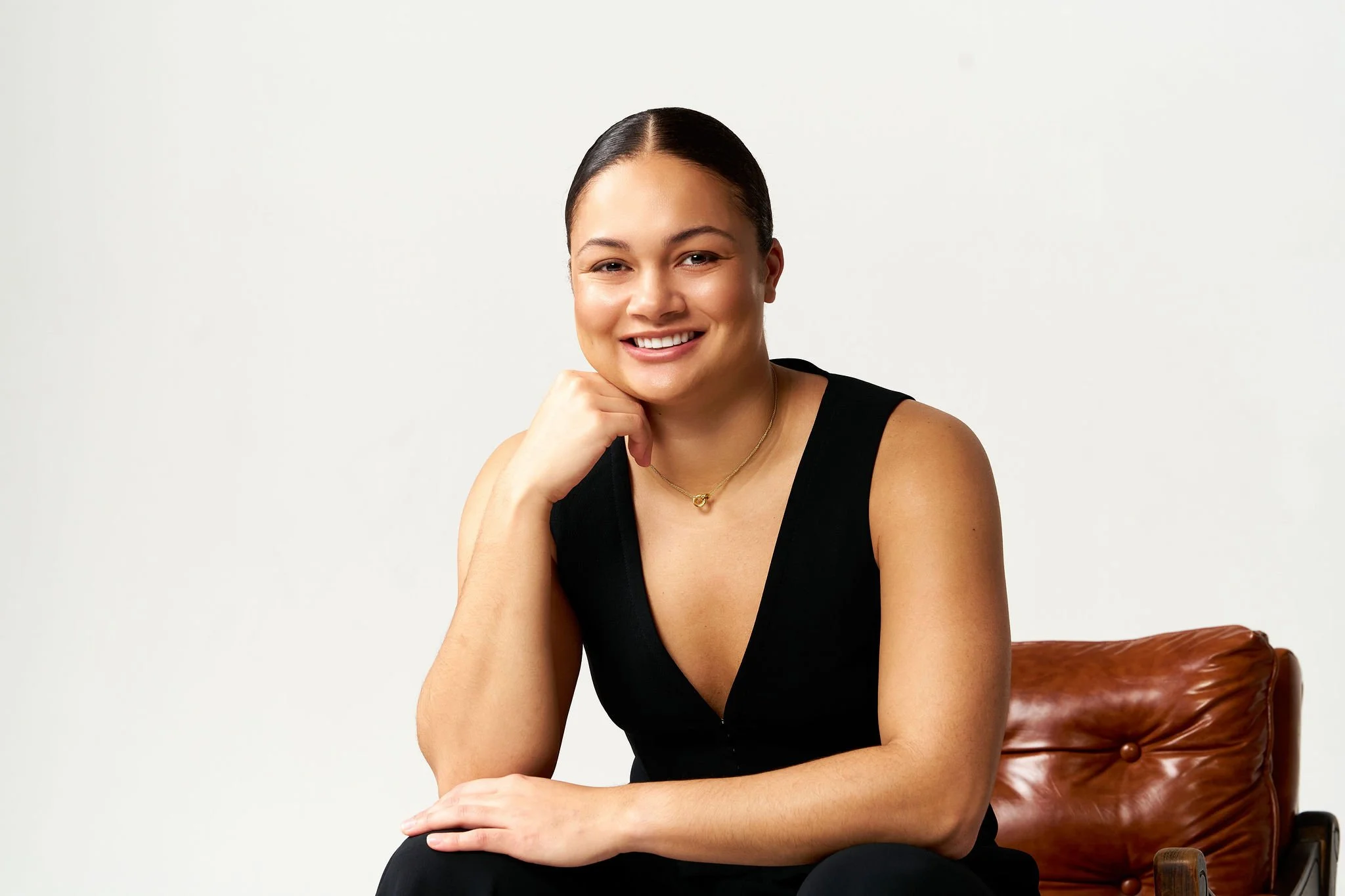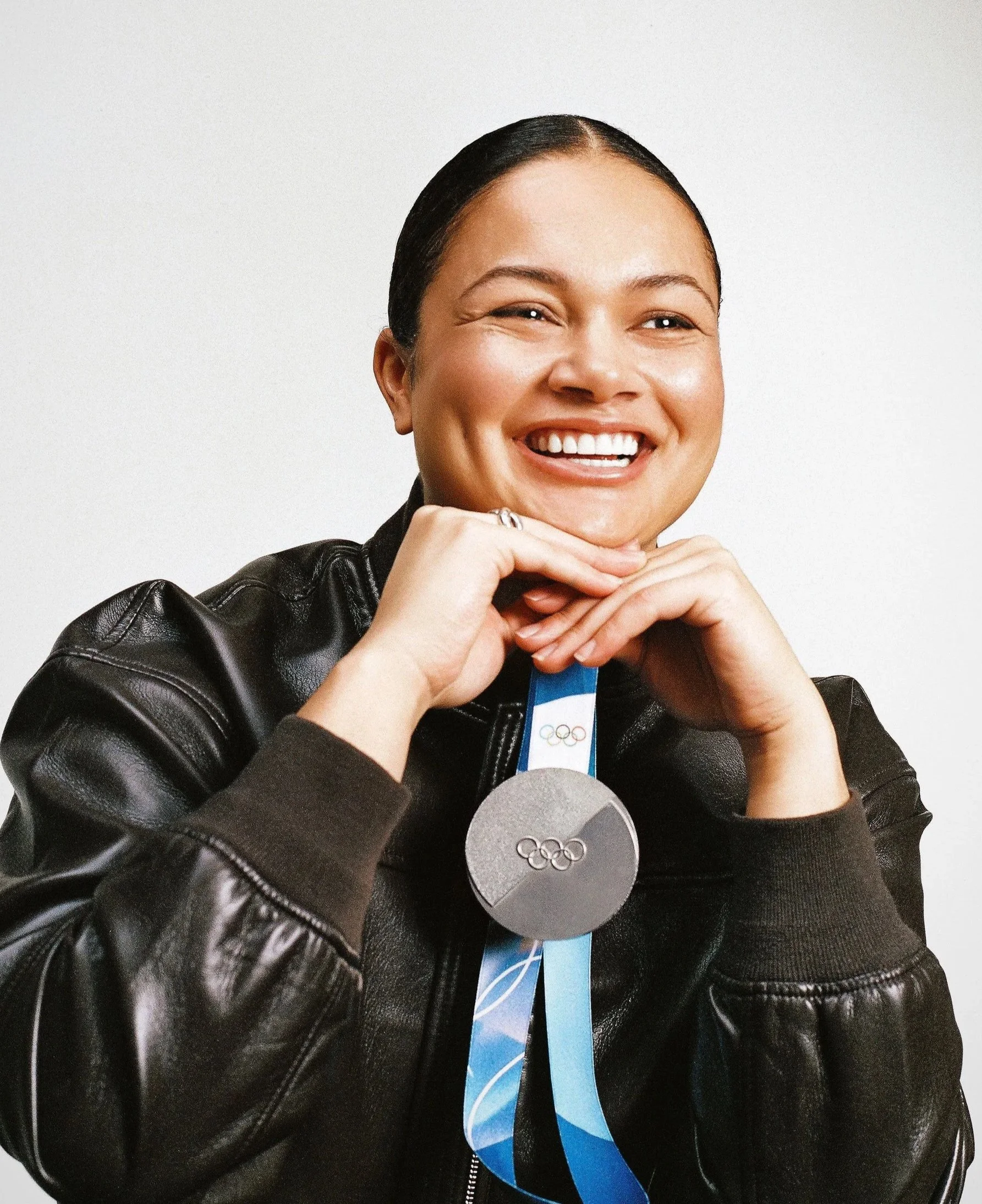
Sophie Jaques: Trading Pucks for Passports
By Jolene Latimer
Photography by Nicole De Khors
Styled by Aritzia

It was a drizzly, dark Sunday afternoon in Vancouver, the kind that makes the city feel quieter than it is.
Sophie Jaques was speaking from her apartment, just coming off an 18-game Goldeneyes roadtrip — the kind that can make even a travel-loving soul like hers crave a few days at home to do laundry and settle back into a routine. In that rare pause, she was beginning to recalibrate.
For Jaques, that pause has started to mean something new. Just three seasons into the PWHL, she is learning what it looks like to have a real offseason — not just a break, but time that belongs to her.
“I think having a summer is sort of still a new feeling for a lot of people in women’s hockey,” she said.
It’s a shift that has come with the rapid evolution of women’s professional hockey. Seasons are longer. Travel is heavier. The stakes are higher. And when it ends, there’s finally space — not just to recover, but to figure out what life looks like outside the rink.
Jaques is still figuring that out. But she knows where it starts.
Golf was never about perfection.
Jaques laughs when she talks about her game. She calls herself a “scramble player,” someone who can contribute in a group but isn’t chasing consistency shot-to-shot. Her driver, she admits, is still a work in progress.
“My driver, for some reason, is just my Achilles heel,” she said. “A lot of times you’ll catch me teeing off with an iron and just trying to roll with that.”
That’s not really the point.
Golf, for Jaques, has always been about being outside — about slowing things down, about spending time with people she doesn’t always get to see during the season. Her grandfather introduced her to the game when she was young, giving her a small set of toy clubs.
Now, it’s something she returns to whenever she can. Evening rounds are her favorite, especially when the sun hangs just long enough to stretch a few more holes into the day.
“I like always playing an evening nine holes,” she said. “When it’s still warm out, like just a nice sunset round.”
She plays with her dad. With friends. Sometimes with teammates, depending on where she is. Last summer, she found herself in a group that included NHL star Cale Makar.
“I feel like we golf very similarly. Very calm, composed,” she said.
But she’s just as likely to go back to a smaller course near where she grew up in Toronto, one she still knows by heart.
“It’s the one that holds a special spot for me,” she said.
That balance — between new experiences and familiar ones — shows up everywhere in Jaques’ life.
Long before golf became part of her routine, she spent her summers playing lacrosse.
She stayed with it into high school, holding onto it as long as she could before hockey demands made it harder to keep both. She doesn’t talk about it as something she gave up. She talks about it as something that helped shape her.
“I think playing different sports is very important,” she said. “It develops all skills, and it translates well.”
The idea is simple, but it runs counter to the pressure many young athletes face now — to specialize early, to commit fully, to optimize every hour for one path. Jaques sees it differently.
“I would say 100% put your kid in a different sport,” she said. “I think it helps you improve in different areas.”
It’s not just about skill development. It’s about perspective. About learning how to be part of a team in different ways. About having something that feels like a break, even when you’re still competing.
That sense of balance has become more important as the demands of hockey have grown.
If golf is how Jaques slows down, travel is how she expands.

She traces it back to the pandemic, when a long-awaited trip to Europe with a close friend finally came together. They spent a month backpacking, moving from place-to-place with no real urgency beyond seeing what they could.
It changed how she thought about time.
“I got to see a ton of places and fall in love with different countries,” she said. “Since then, every year I’ve taken a trip to Europe.”
Her trips have become a fixture of her offseason, but they’re rarely about checking destinations off a list. More often, they’re built around people.
She has visited a teammate in Alaska, hiking glaciers and going on fishing trips that felt a world away from the rink. She has traveled through Scandinavia, moving from Norway to Sweden to Finland with teammates who showed her what those places looked like from the inside.
In Switzerland, she was invited into a teammate’s home, where her family cooked a traditional meal after a day spent hiking through the Alps.
“That was one of my most memorable trips,” she said.
The pattern is consistent: go where someone else already belongs, and see it through their eyes. It’s a different kind of travel — less about escape, more about connection.
Jaques still doesn’t love living out of hotels during the season. She prefers to travel light, to keep things simple, to avoid the feeling of constantly being in transit.
“I like carry-on travel, not big suitcase travel,” she said.
But the idea of movement itself doesn’t wear on her the same way it might on others. Even during the season, she finds ways to make it feel intentional.
On off days, she explores, meets up with former teammates, finds new restaurants or returns to familiar ones. This summer, her plans are already mapped out.
Portugal. Spain. A Formula 1 race in Barcelona, a shared interest she and her boyfriend have leaned into over the past few years. After that, she’s traveling with Team Canada teammate Emma Maltais. The two will explore a mix of museums, food and whatever else they find along the way.
“She’s terrible at navigating,” said Jaques with a laugh. “So I just have to make sure I do that for her and we’ll be all good.”
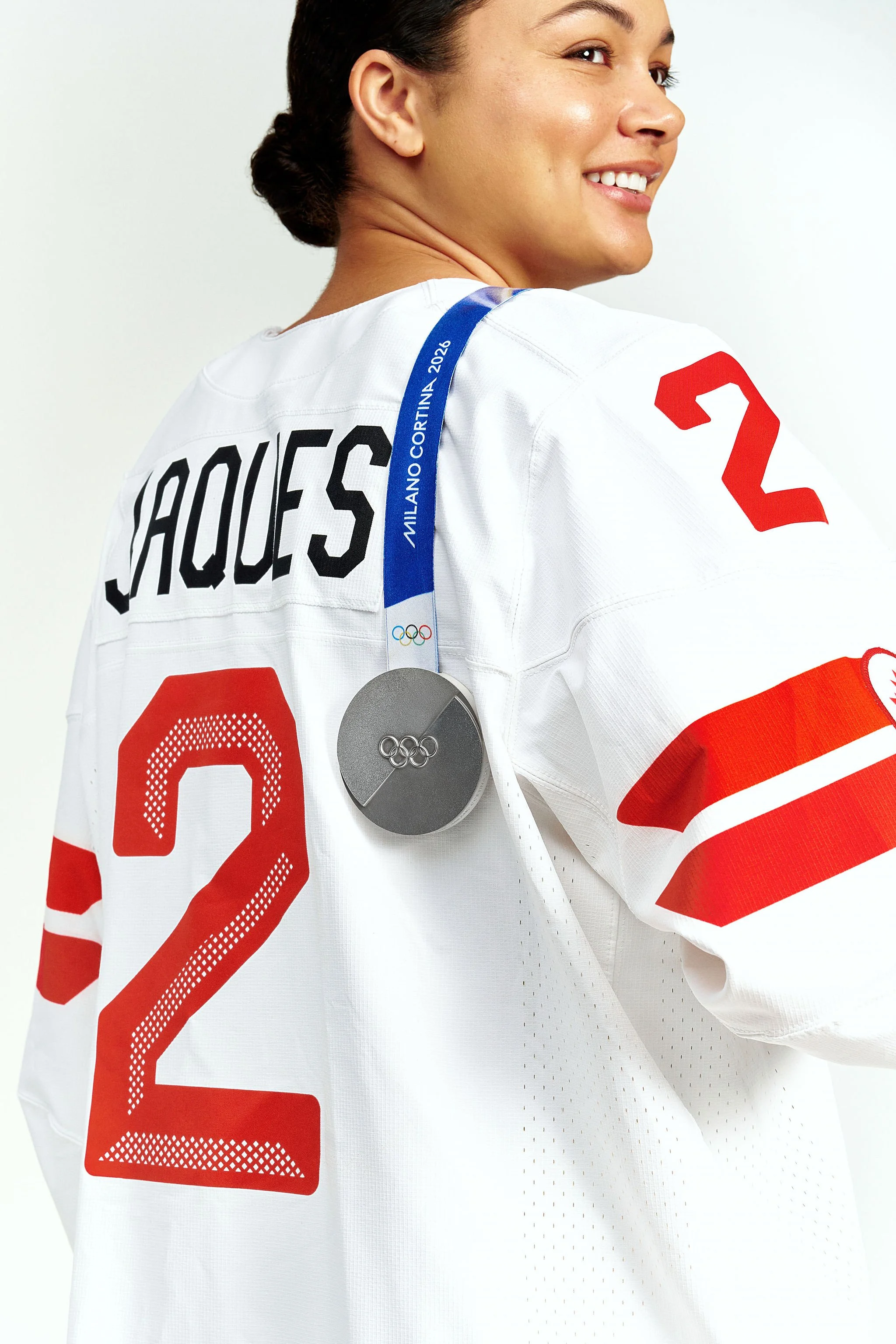
“I would say 100% put your kid in a different sport. I think it helps you improve in different areas.”
It’s not just about going somewhere. It’s about having something to look forward to that isn’t tied to hockey. That’s where the reset comes in. By the time she starts training again, the approach is measured.
There’s a period of doing very little — walks, light activity, letting her body recover. Then a gradual return to structure: strength work, agility, eventually getting back on the ice.
The goal isn’t to rush it. It’s to avoid burnout before the season even begins.
“With how long our seasons are, you don’t want to be starting too quick in the summer and going too hard,” she said.
It’s a mindset that reflects the bigger shift in her career — from chasing the next opportunity to managing a long-term path. That perspective carries into what she’s building off the ice, too.
In Vancouver, Jaques helped launch a program that brings young girls of color to professional games, many of them for the first time. They watch together, talk afterward and get a chance to see themselves reflected in the sport in a way that hasn’t always been possible.
“It’s just making them feel welcome and know that this is a place where we want them,” she said.
The work is part of a broader effort she’s been involved with since leaving college, one focused on growing the game and making it more accessible through Women of Colour Hockey Collective.
For Jaques, the impact is immediate. “It’s seeing the smiles on their faces,” she said. “Seeing the confidence it gives them.”
She remembers what it felt like to be one of the only players who looked like her growing up. She understands how quickly that can shape how someone sees themselves.
“Representation does matter,” she said. “If they can see it, they can dream it.”
The pace will pick up again soon. The schedule will fill. The movement will start over. But for now, there’s space — for a round of golf, for a trip, for something that has nothing to do with hockey.
Jaques is still figuring out what to do with that space. She knows, though, what it’s meant to give her.
“It’s really easy for hockey to just consume your life,” she said. “I like to have a variety of different things… it helps me be focused and be my best when I am at the rink.”